
Electrostatic & Coating Processes
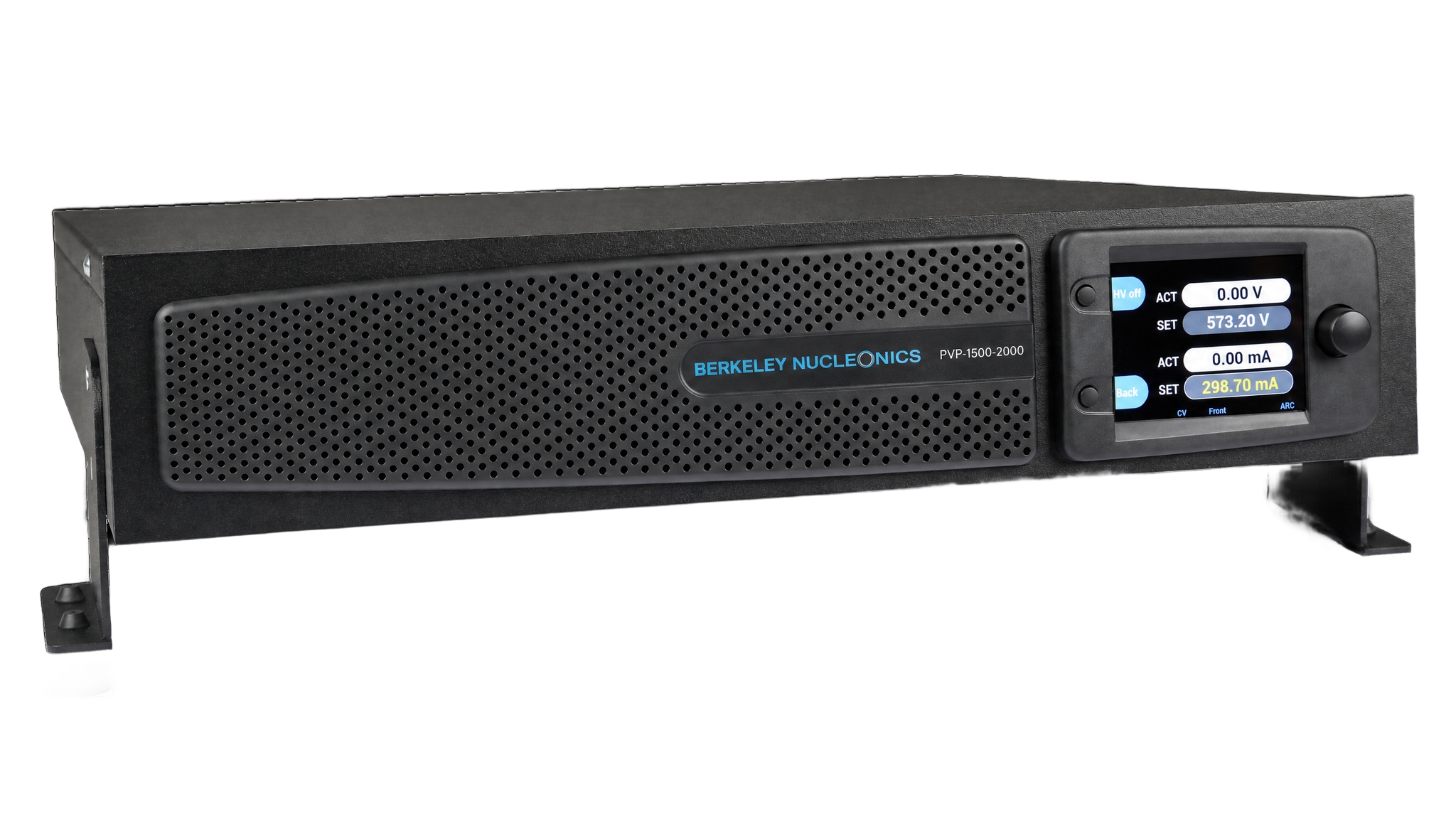
Electrostatic and coating processes turn a high-voltage DC field into useful work. The supply charges an electrode, and the field it creates is what does the job: it pulls charged particles out of an air stream, atomizes a paint or powder and steers it onto a grounded part, draws a polymer into a fiber, biases a sputtering target, or holds a wafer flat against a chuck. The field is the tool, so the quality of the result follows directly from the quality of the voltage behind it.
These processes span a wide range. Electrostatic precipitation and air cleaning pull particulate from exhaust and ventilation streams. Electrostatic spray painting and powder coating charge atomized material so it wraps onto a grounded workpiece with high transfer efficiency. Electrospinning draws nanofibers from a charged polymer solution. Thin-film deposition and sputtering use a controlled bias to shape film growth. Electrostatic chucks hold substrates without mechanical clamping. Negative polarity is common across many of these, and several benefit from the ability to reverse polarity for process development.
What they share is a need for a field that is stable, settable, and well-behaved at the edges. A drifting or rippling field changes the deposition pattern, the fiber diameter, or the collection efficiency from minute to minute. Bringing the voltage up too abruptly invites sudden corona or a flashover before the process has stabilized. And coating environments spark often, because grounded parts move through the field and conductive overspray builds up, so the supply has to recognize an arc and react rather than keep driving into the fault.
Why controllable high voltage matters
The practical requirement is fourfold: set the field precisely, hold it steady, raise it gently, and protect the process when it arcs. A precise setting lets an operator dial in the exact field a coating recipe calls for and return to it part after part. Tight regulation keeps that field constant as the load changes, which is what keeps transfer efficiency and film uniformity repeatable. A controlled ramp brings the field up along a defined gradient so the process stabilizes before reaching full strength, avoiding the abrupt onset of corona or an early arc. And reliable arc handling, with the option to drop the output, limits the energy delivered into a flashover and keeps a routine spark from becoming a damaging event.
How the PVP-Series solves it
The PVP-Series is a fully digitally regulated DC high-voltage supply built around a microcontroller and FPGA, which gives an electrostatic or coating line exactly the controllable field these processes need. Voltage is set digitally with 16-bit resolution across roughly 0.01 to 100 percent of nominal, so the field can be placed precisely and recalled exactly. Once set, it stays put: line regulation is tighter than plus or minus 0.01 percent of nominal across a 10 percent mains swing, load regulation is within 0.05 percent of nominal over a 10 to 90 percent load step, and stability holds within 0.01 percent of nominal over an eight-hour run. Ripple is specified at 0.01 percent of nominal plus a small fixed term. A quiet, steady field is what makes a coating result repeatable.
Ramp Control is the option that suits these processes best. It brings the output up along an adjustable gradient, from 1 V/s up to ten times nominal per second, so the field builds gently and the process settles before it reaches working strength rather than snapping on and triggering corona or an arc. Arc Detection is the companion option, and for coating work it is essential. It detects a flashover, reports it, and can shut the output off, so a spark in a paint booth or a precipitator does not turn into sustained energy into the fault. Polarity is electrically reversible, positive or negative, which covers the negative-polarity processes common in this area and supports development work that needs both. On board, Ethernet and RS232 with a standard SCPI command set let the supply take field commands from a line controller or recipe sequencer, while the time-tagged event log records every set point and arc event for the process record.
Which PVP-Series models and options fit
Field strength sets the model. Lower-voltage coating heads and many spray applications live in the single-digit kilovolt range, while precipitation electrodes, electrospinning, and the highest-field deposition and chuck processes push toward the top of the line.
| Need | Recommended PVP-Series model | Rating |
|---|---|---|
| Lower-voltage coating heads, spray and powder | PVP-5000-600 | 5 kV, 600 mA, reversible |
| Electrode and precipitation fields | PVP-10000-200 | 10 kV, 200 mA, reversible |
| High-field precipitation, electrospinning | PVP-20000-25 | 20 kV, 25 mA, positive or negative |
| Highest-field processes in the line | PVP-30000-17 | 30 kV, 17 mA, positive or negative |
Two options carry these applications. Ramp Control gives the gentle, gradient-based field build-up that keeps the onset of corona and early arcs under control. Arc Detection with optional output shut-off is essential in any coating environment, where conductive overspray and moving grounded parts make sparking a routine event rather than a rare one. Choose negative polarity where the process calls for it, or the reversible variant on the 5 kV and 10 kV classes where process development needs both polarities.
Recommended configuration
For a typical electrostatic coating head running paint or powder, a PVP-5000-600 is the right center. It supplies the field those heads need with ample current headroom, and in the reversible configuration it supports development across both polarities. Pair it with Ramp Control for a gentle build-up and Arc Detection with output shut-off as the primary protection in the booth.
Precipitation and electrode-field installations step up to the PVP-10000-200, which delivers the higher field those electrodes require while keeping the same digital setting, regulation, and option set. The highest-field work, including high-voltage precipitation, electrospinning, and demanding deposition or chuck setups, moves to the PVP-20000-25 or the PVP-30000-17 in negative polarity, the top of the line for field strength. In every case, specify Arc Detection, add Ramp Control for a controlled field, and drive the supply over Ethernet with SCPI from the line controller so set points and arc events land in the process record. Rack the 2U enclosure into the control cabinet beside the rest of the equipment.
Talk to an application engineer
Berkeley Nucleonics can help you match a PVP-Series model and option set to your electrostatic or coating process. Call 800-234-7858 or email info@berkeleynucleonics.com.
For a quick question, chat with an engineer at berkeleynucleonics.com.