Introduction
Applications built on optics, photonics, and lasers are now extremely common. The newest generation of scientists keeps opening new territory: LiDAR for automotive, medical solutions, aerospace and defense, quantum systems, and laser sensors. Each of these fields leans on signals that have to be fast, clean, and precisely placed in time.
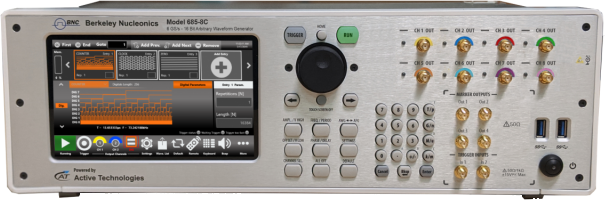
The testing challenges, the time-to-market pressure, and the increasingly demanding applications make a state-of-the-art arbitrary waveform and function generator the right choice for the work. The Model 685 gives engineers a single instrument flexible enough to produce the full range of pulses, signals, and modulations these systems need, with a level of control not seen before.
Different applications call for different kinds of signals. A few representative examples for the Model 685:
- Generation of high-amplitude, high-speed pulses to directly drive electro-optic modulators.
- Generation of various signals and pulses to provide stimuli for quantum-optics applications.
- Generation of pulses to drive pulsed laser diodes.
Electro-Optic Modulators
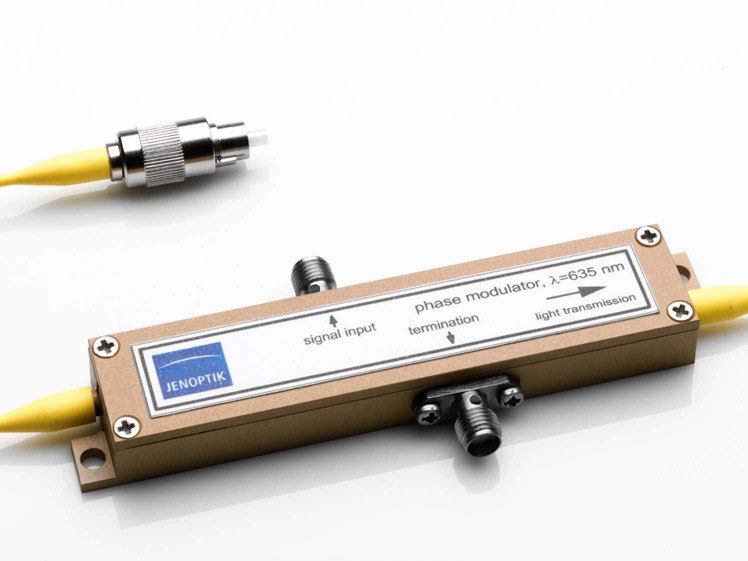
Integrated-optical waveguides guide light along a defined path, much like an optical fiber. The waveguide is a channel with a higher refractive index than the surrounding material, and light is guided by total internal reflection at the channel walls. Depending on the wavelength, the substrate refractive index, the refractive index difference, and the width and depth of the channel, one or more transverse oscillation modes can be excited.
Single-mode operation is optimal, because it is essential for the function of many integrated-optical elements. In optical communication technology in particular, these elements are usually supplied already coupled to optical fibers.
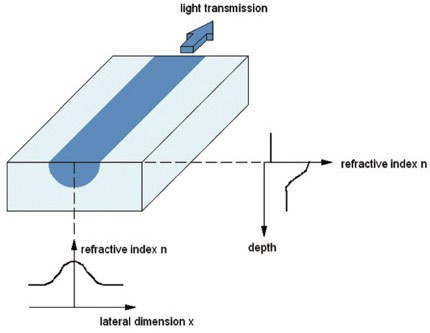
The linear electro-optic effect, also known as the Pockels effect, is a second-order nonlinear effect: the refractive index of an optical material changes when an external electric field is applied. The amount of change is proportional to the electric field strength, its direction, and the polarization of the light. The preferred material for fabricating integrated-optical modulators is lithium niobate (LiNbO3).
If an electric field is applied to a waveguide using electrodes of length L, the refractive index changes in the area between the electrodes, producing a phase shift in the guided light. The phase shift is linear with the applied voltage.
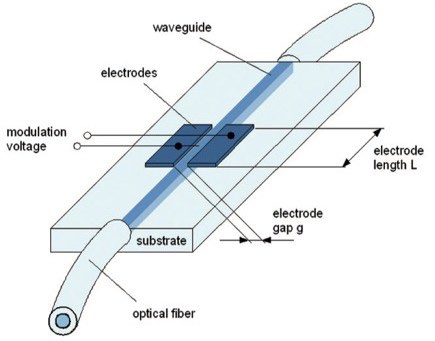
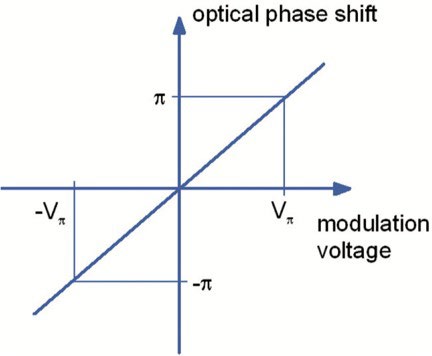
The required voltage typically amounts to a few volts. For longer wavelengths it is higher than for shorter ones at a given electrode geometry. For example, it can be expected to be about 3 V in the red at 635 nm, and about 10 V in the telecommunication range near 1550 nm.
Mach-Zehnder Amplitude Modulators
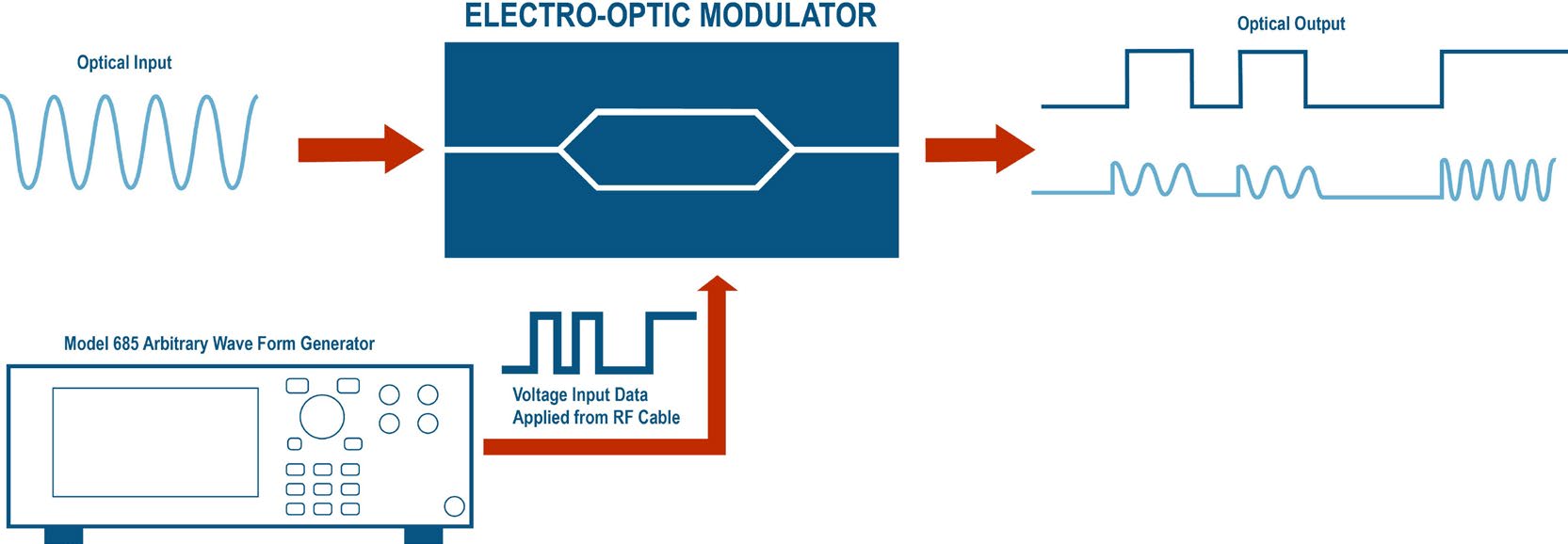
Because of the very fast electro-optic response, the low control voltages, and the use of sophisticated electrode geometry, modulation at frequencies in the gigahertz range is achievable. To build an amplitude modulator, a phase modulator is inserted into an integrated Mach-Zehnder interferometer.
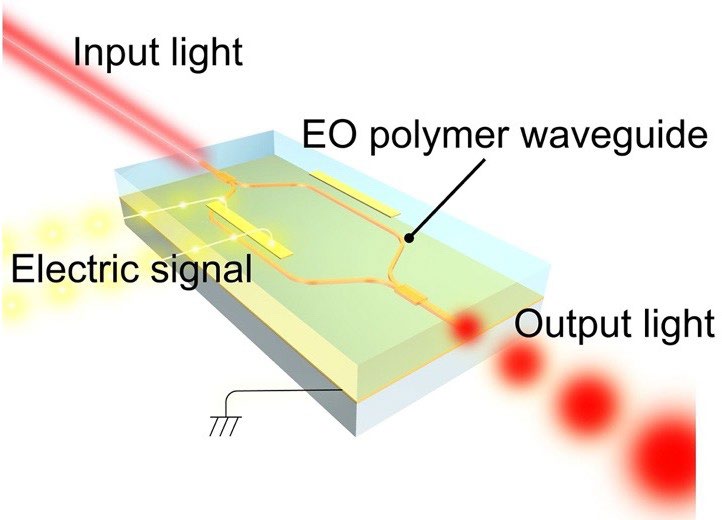
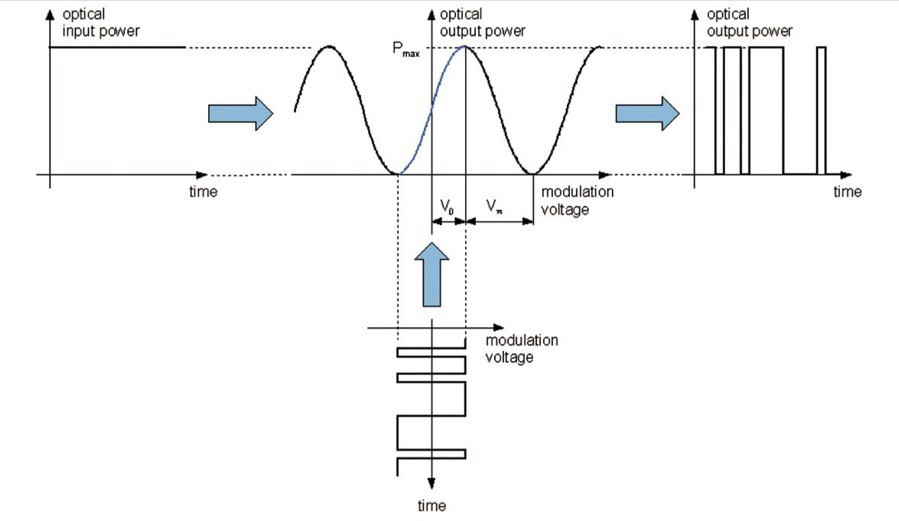
Applying a voltage produces a relative phase difference between the two branches, which changes the output power through interference. The device transmission can be controlled between a minimum and a maximum value (Pmin to Pmax). A relative phase difference of pi is needed to switch from the on state to the off state, or the reverse. The voltage that produces this is the half-wave voltage, Vpi, of the amplitude modulator.
Because of push-pull operation, the half-wave voltage of an amplitude modulator is half that of a phase modulator with the same electrode length. For example, it can be expected to be about 1.5 V in the red at 635 nm, and about 5 V in the telecommunication range near 1550 nm.
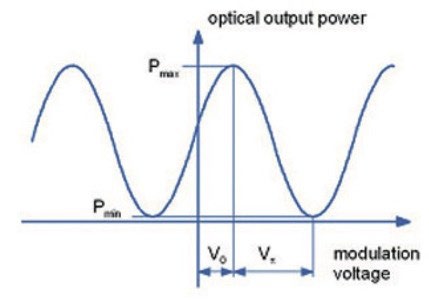
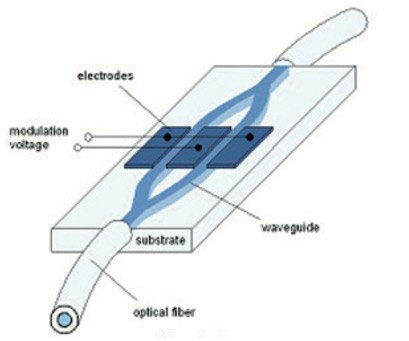
Applying an RF signal as the modulation voltage to the electrodes translates that electrical input into amplitude information. The amplitude output depends on the magnitude and shape of the voltage, and therefore on the position of the modulator's operating point. A binary pulsed electrical input transfers into a binary optical output signal. If the voltage levels are not correct, meaning the voltage is too high or the offset is wrong, the modulator responds with incorrect optical output levels in binary operation, or with higher harmonics in analog operation.
How the Model 685 Drives Modulators
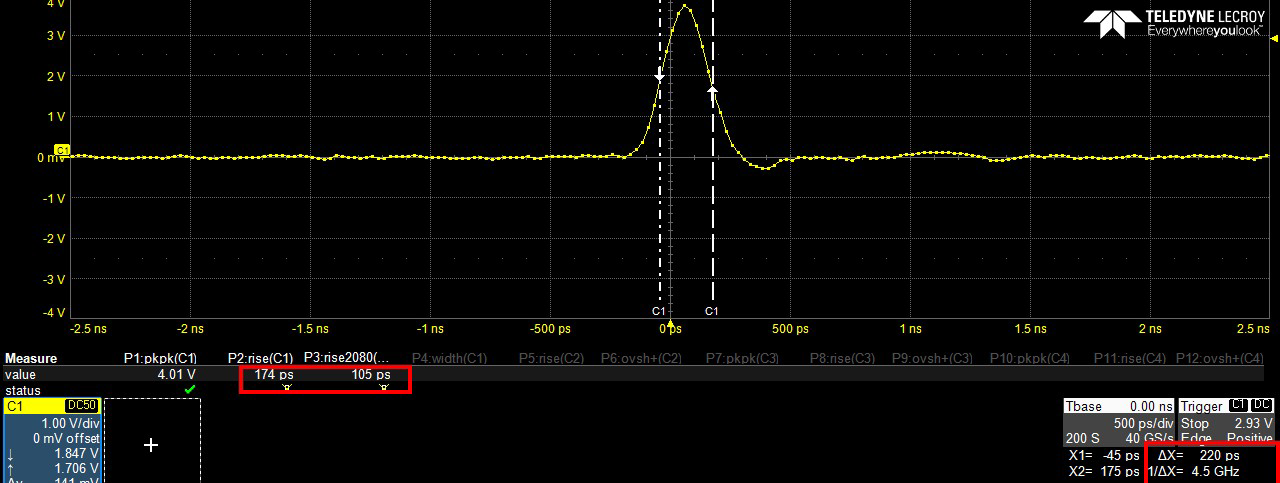
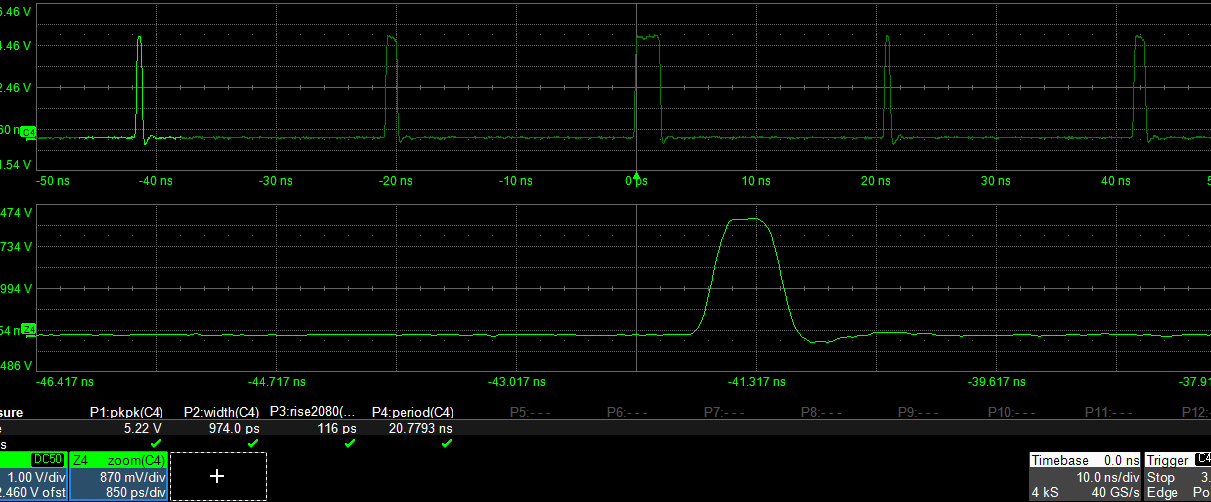
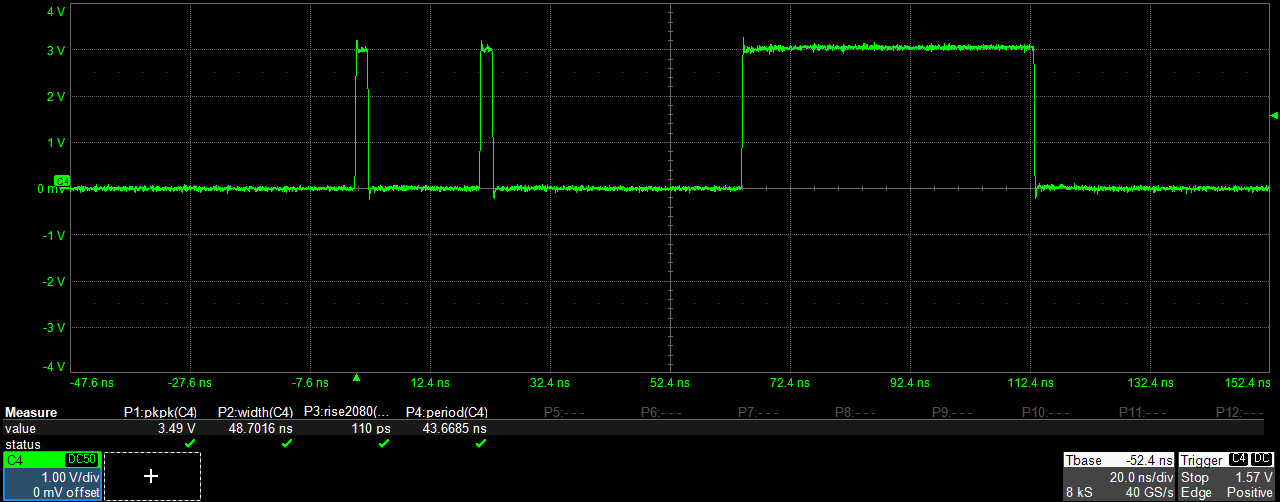
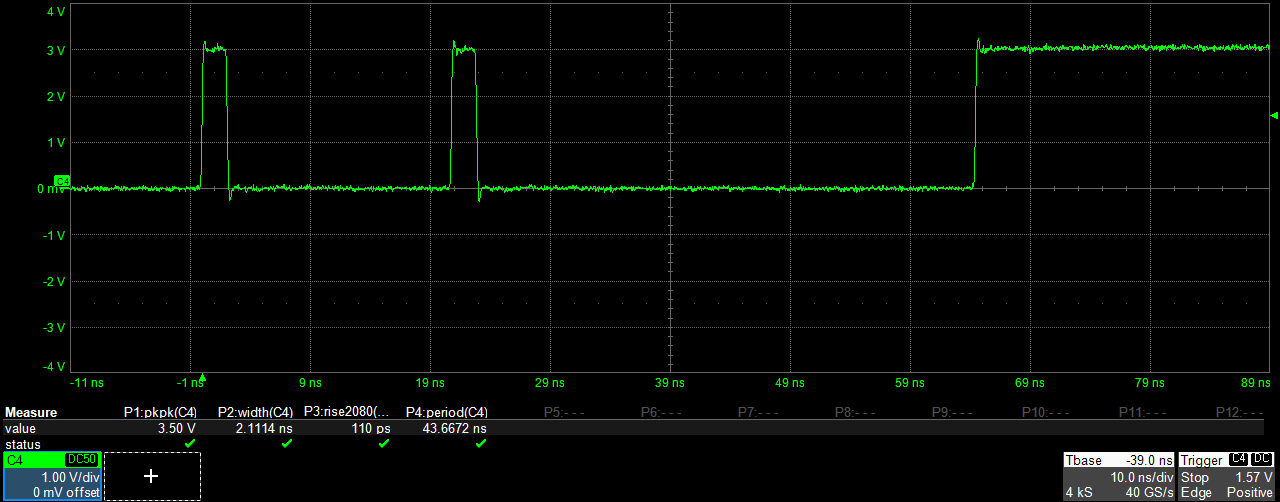
The Model 685 arbitrary waveform generators let you create the modulation voltage by generating very narrow pulses, with a minimum pulse width of 230 ps and amplitude up to 5 Vpp. The high-amplitude output signal, combined with 110 ps rise and fall time (5 Vpp at 2 GHz bandwidth), means you can drive different types of electro-optic modulators directly, without adding an external amplifier to the path.
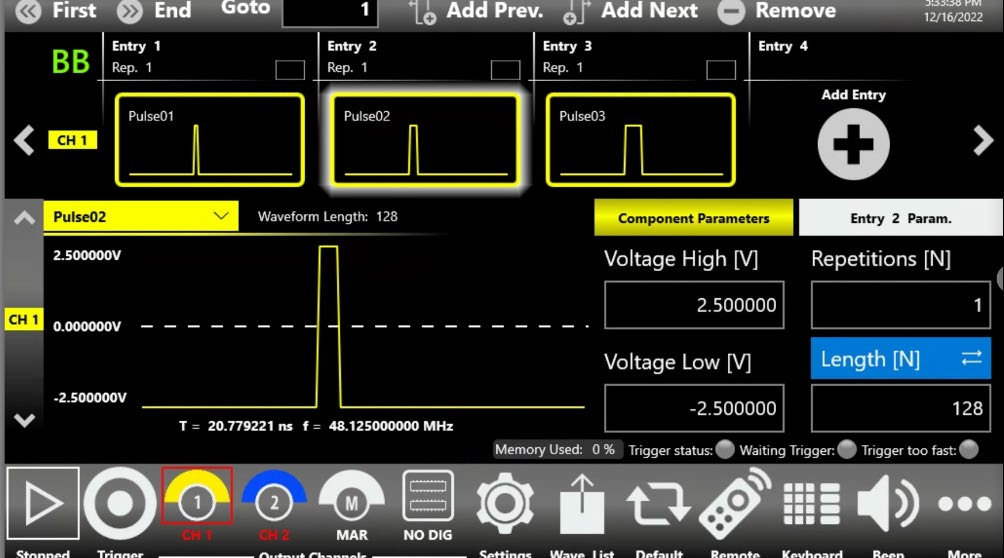
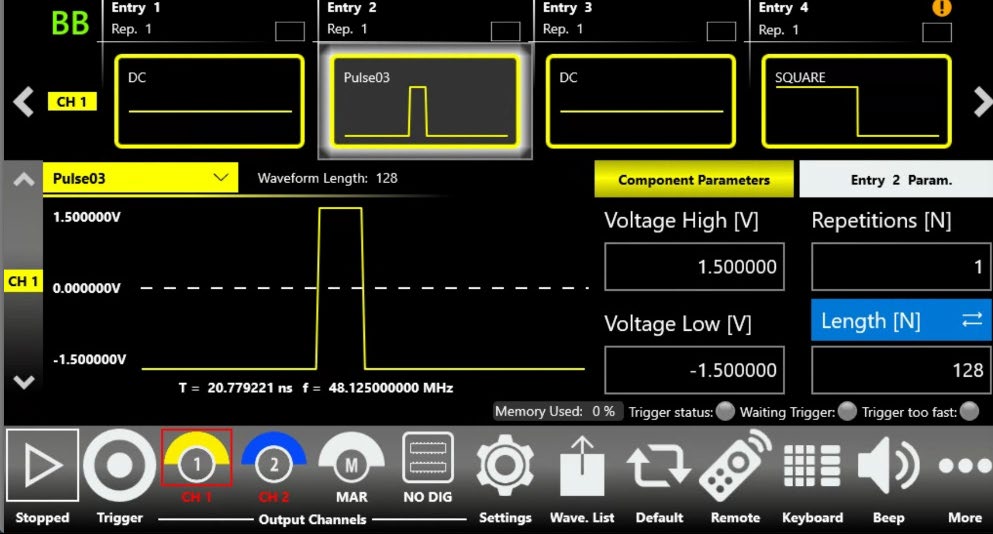
Thanks to the True-Arb user interface, it is straightforward to generate different pulse shapes, which gives more in-depth control of the optical output signal.
Quantum Optics
Color centers in diamond are defects in the crystal lattice, where different kinds of atoms replace carbon atoms and adjacent lattice sites are left empty. Because of their bright single-photon emission and their optically accessible spins, color centers are promising solid-state quantum emitters for future quantum information processing and quantum networks.
Two of the most mature systems for spin qubits and coherent photons are quantum dots and the nitrogen-vacancy (NV) center in diamond. Between the two, NV centers show excellent coherence times exceeding 1 s but lack efficient emission into the zero-phonon line (ZPL) required to yield indistinguishable photons, while quantum dots show strong emission properties but are limited to coherence times of tens of nanoseconds. This captures the two typical challenges of working with solid-state quantum emitters: single-photon generation, and the emitter spin coherence times.
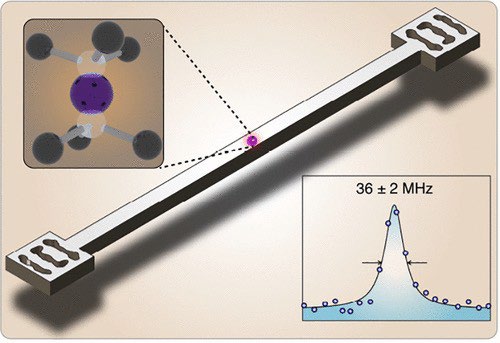
Recent investigations into group IV vacancy centers in diamond, in particular SiV centers, show promising results on both fronts. Combined with their good spin properties, tin-based vacancy centers are well suited to integration in nanophotonic platforms because of their strong and stable zero-phonon line emission in nanostructures. Group IV vacancy centers show excellent optical properties thanks to a crystallographic symmetry that favors emission into the ZPL. SiV centers show 10 ms coherence times at 100 mK, while SnV has been predicted to give similar times at 2 K, a temperature readily reached with standard helium cryostats.
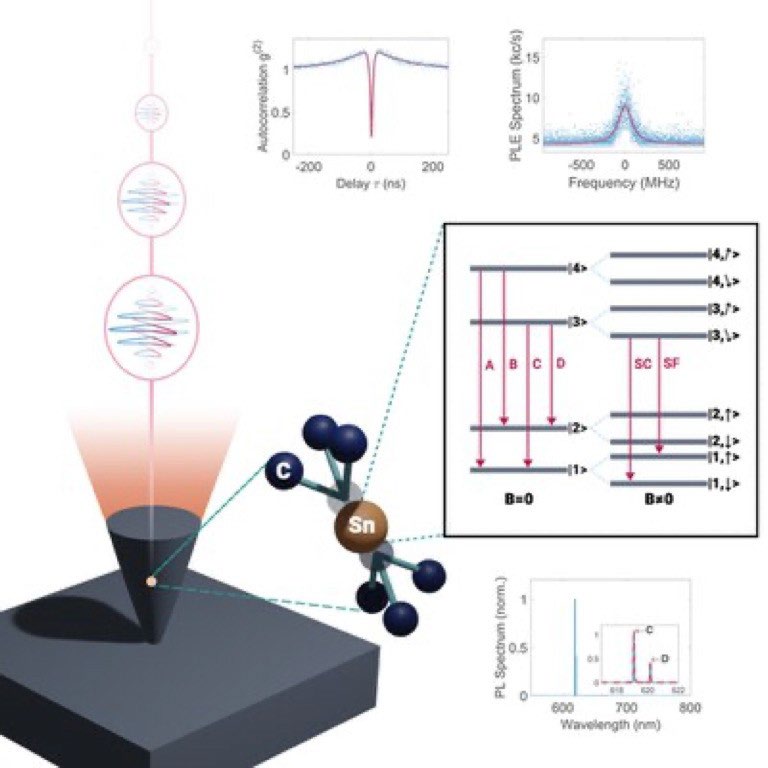
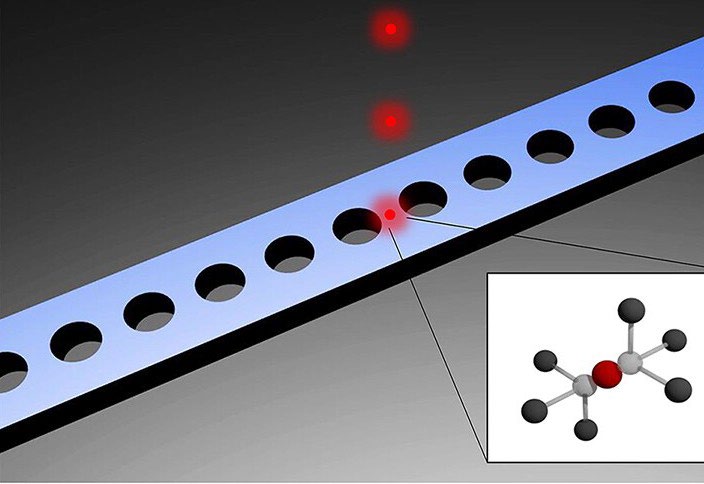
The Model 685 has been used to control the experimental pulse sequences that manipulate single tin-vacancy centers in diamond. It generates narrow electrical square pulses with high amplitude (greater than 1.5 V) to control an electro-optic amplitude modulator and produce short laser pulses. With this mechanism, it is possible to generate optical pulses with a close-to-Gaussian shape and a full-width-half-maximum as narrow as 280 ps. The Model 685 has also been used to drive an electro-optic phase modulator to generate frequency sidebands up to about 2 GHz, which enables driving two optical transitions with phase-stable laser fields.
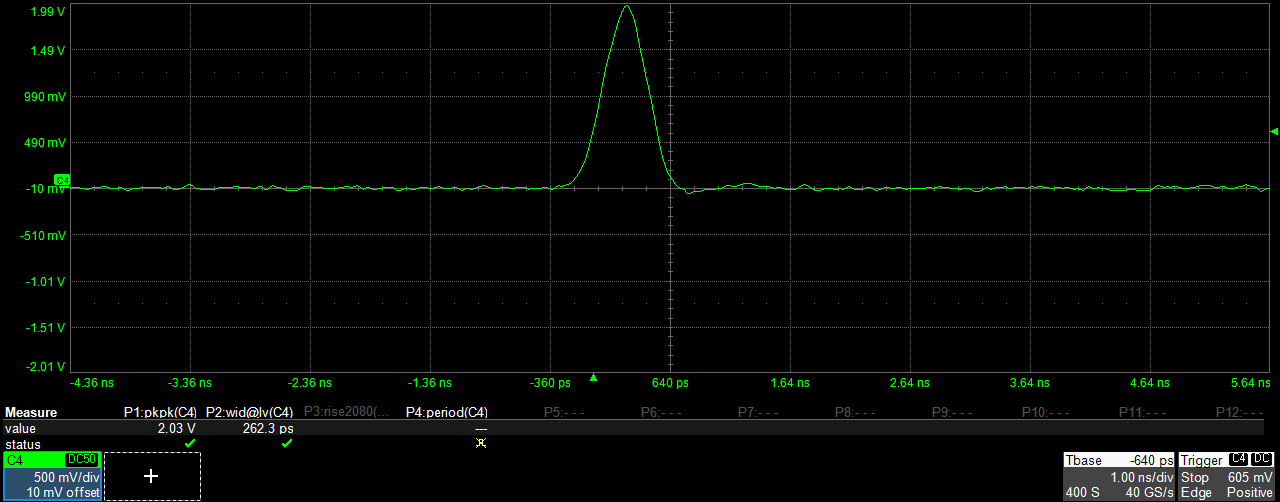
The digital output channels of the Model 685 can control acousto-optic amplitude modulators, or they can generate trigger pulses to time experimental sequences. Looking forward, real-time control of measurement protocols, where the next step depends on the outcome of a readout earlier in the sequence, will become necessary, and the instrument's deterministic timing supports that direction.
Pulsed Laser Diode Driver
The ability of pulsed laser diodes to deliver short pulses of intense power has made them an ideal choice for military applications such as target designation and range finding. Much of the historical motivation for developing these diodes has military roots. Today, though, technical improvements and lower cost are opening new applications in metrology and medicine.
Continuous versus pulsed operation
Standard laser diodes are designed to emit CW radiation, with power from a few milliwatts to a few watts. A pulsed laser operates at a lower duty cycle, so heat removal is less of an issue. A further design difference is that the reflectivity of the pulsed laser's output facet is generally much lower.
Thresholds are kept low on typical CW lasers by limiting the emitting width to 5 to 35 microns. Although laser threshold current is directly proportional to that width, the high gain in pulsed lasers allows the width to be increased up to 400 microns, with a corresponding increase in peak power. Without precautions, this combination of width and a short resonator at high gain can produce rotating modes, in which the circulating power bounces obliquely inside the gain region rather than straight back and forth between the end facets.
Another factor that affects threshold is beam divergence. The pulsed laser is generally configured for a divergence under 25 degrees, compared with 35 to 45 degrees for a typical CW device. The tighter beam is achieved by letting photons spread into a large optical cavity, a weaker waveguide in the transverse direction that reduces the number of photons in the gain region. Because no lateral waveguide is built into the pulsed laser structure, the beam divergence in that direction is typically 10 degrees.
Pulsed laser diodes are designed to be driven with high-current pulses, producing short, high-power optical pulses. To reach the very high peak optical powers most applications demand, the duty cycle is generally kept below 0.1 percent. A 100 ns optical pulse is followed by a pause of about 100 microseconds. Very short pulses are available with repetition rates in the kilohertz range. Maximum pulse lengths are typically around 200 ns, with 3 to 50 ns being more common. Electric currents on the order of several tens of amperes are needed to create these optical pulses, which requires fast-switching transistors and appropriate circuitry, with all electrical connections kept as short as possible to reduce inductive losses.
Wavelengths and time of flight
When the first commercial GaAs pulsed lasers became available, their wavelength was 905 nm. That sits close to the peak responsivity of silicon detectors, and there is a nearby water absorption peak that reduces ambient light and increases detection sensitivity. As new materials emerged, lasers became feasible at a variety of wavelengths. Devices in the 1550 nm range now receive more attention because of superior transmission through fog and smoke, and because that wavelength is less hazardous to vision than shorter ones.
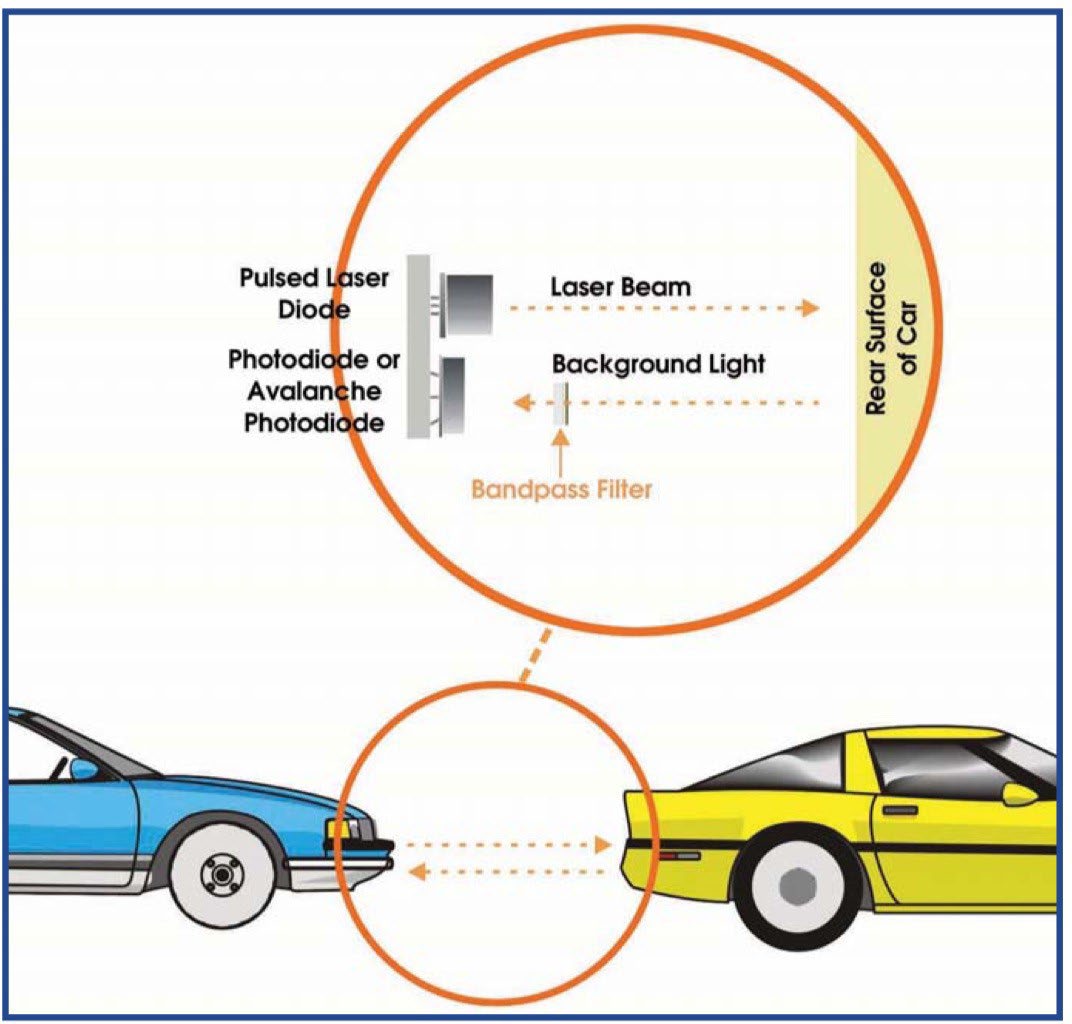
Many applications for pulsed laser diodes are variants of the original range-finding application, where target distance is calculated by measuring the flight time of laser pulses reflected or backscattered from the target. The more sophisticated instruments can measure accurately at distances up to 10 km. Police laser speed guns, for example, can measure vehicle speed up to 155 mph (250 km/h) at up to 3,300 ft (1,000 m) with an accuracy of 1 to 3 percent. Unlike RF speed guns, which read velocity directly from the Doppler shift, laser speed guns derive velocity by comparing distance measurements made at different times.
As prices fell, eye-safe rangefinders reached recreational users. Hunters can measure the distance to a target within a meter or two over hundreds of meters, and golfers use inexpensive rangefinders as well. In less frivolous work, automotive engineers are developing rangefinders based on pulsed laser diodes to warn drivers of hazards. Pulsed laser diodes also provide the optical signal in automotive collision-avoidance systems, serve as navigational aids for ships in ports and harbors, work in ceilometers for cloud-base measurement at airports, and support surveying and construction.
In a laser safety scanner, pulsed laser diodes create a curtain of light around hazardous areas such as automated production lines. Using coded pulse emission, two-dimensional curtains can distinguish allowed from disallowed shapes. The high peak power of pulsed laser diodes, combined with avalanche photodiodes, gives the sensitivity needed to discriminate between shapes, and such equipment can also provide remote management and diagnostics. Similar systems are increasingly deployed on intelligent highways to regulate flow and identify vehicles at toll booths.
In addition, significant research supports the wound-healing ability of pulsed laser diodes in medical applications such as laser acupuncture and therapy, where wavelengths in the 625 to 905 nm range are favored. The longer wavelength penetrates deeply into tissue and bone to relieve pain, swelling, and inflammation in joints and other conditions. The light must be pulsed to reach the power needed for penetration and absorption without damaging cells. Generating short, powerful pulses with laser diodes is an enabling technology for applications that CW laser diodes cannot serve, for either technical or economic reasons. Manufacturers offer devices at 850, 905, and 1550 nm with a wide range of output powers and emitting areas, as single emitters and as stacked devices.
Driving the Diode with the Model 685
The Model 685 lets you directly control the pulsed laser diode, or control it indirectly through an electro-optic or acousto-optic modulator.
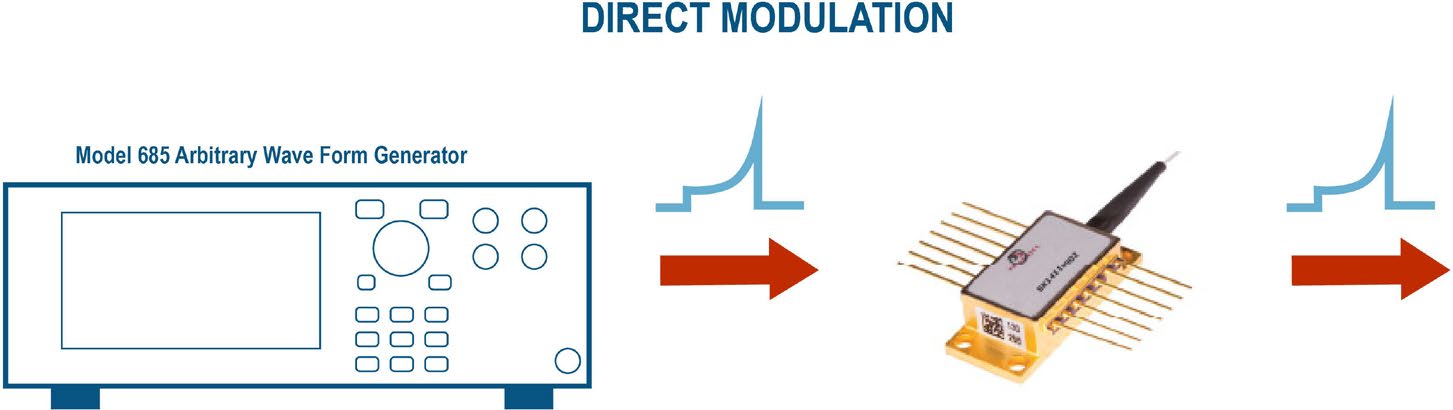
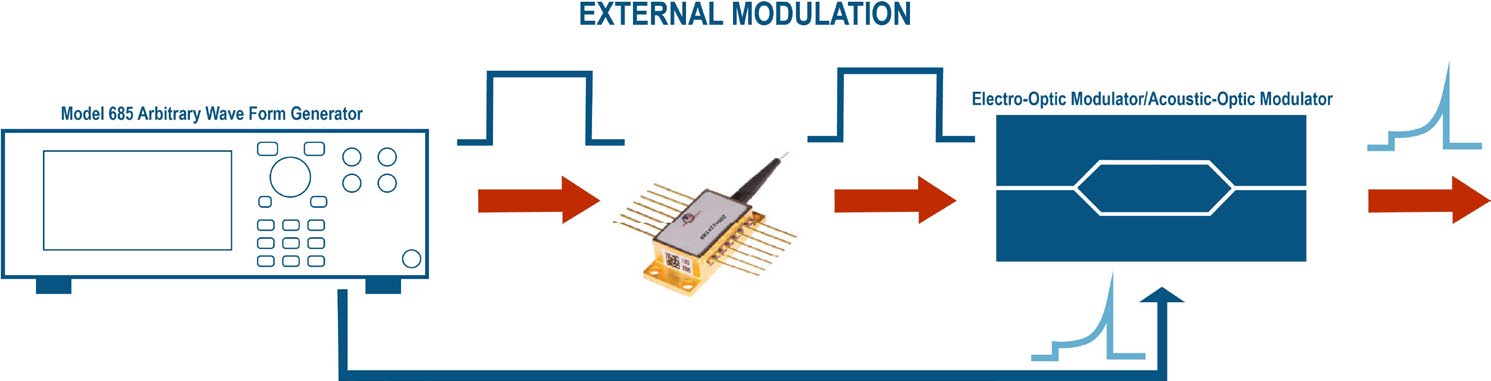
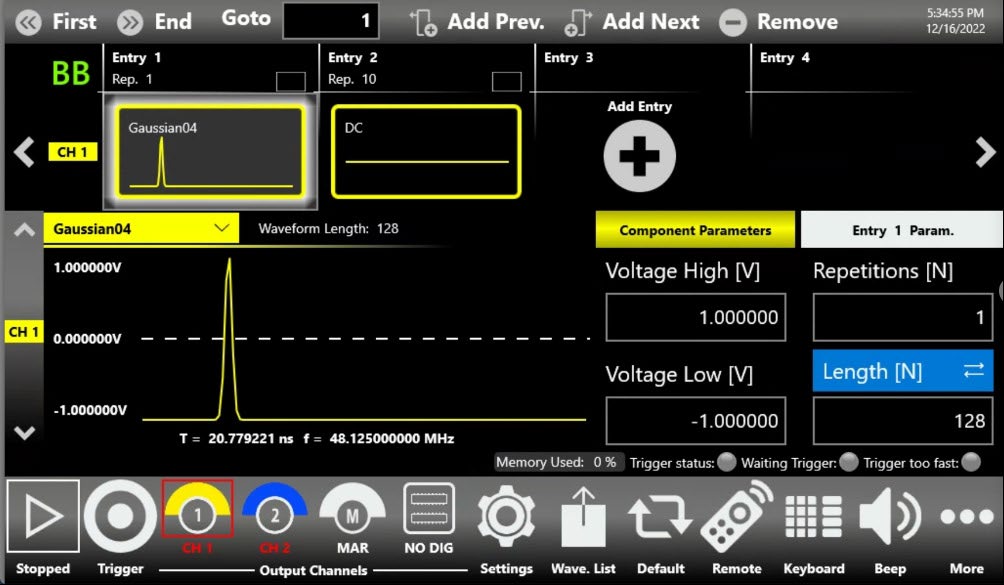
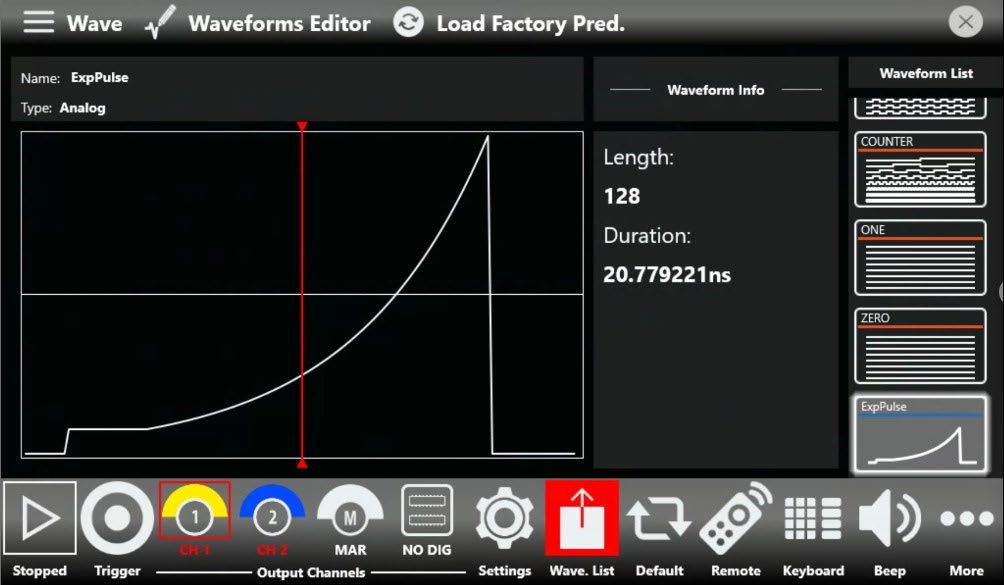
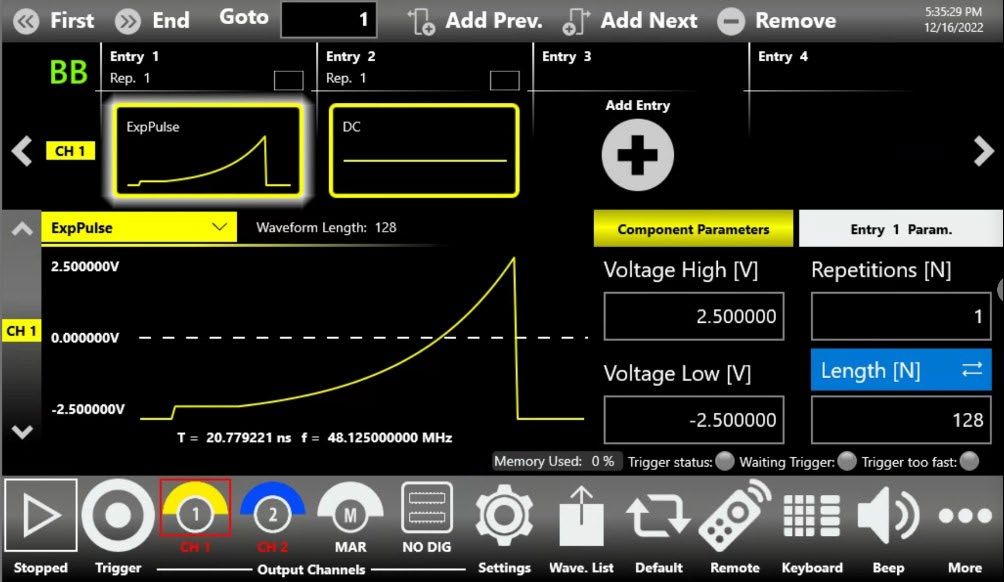
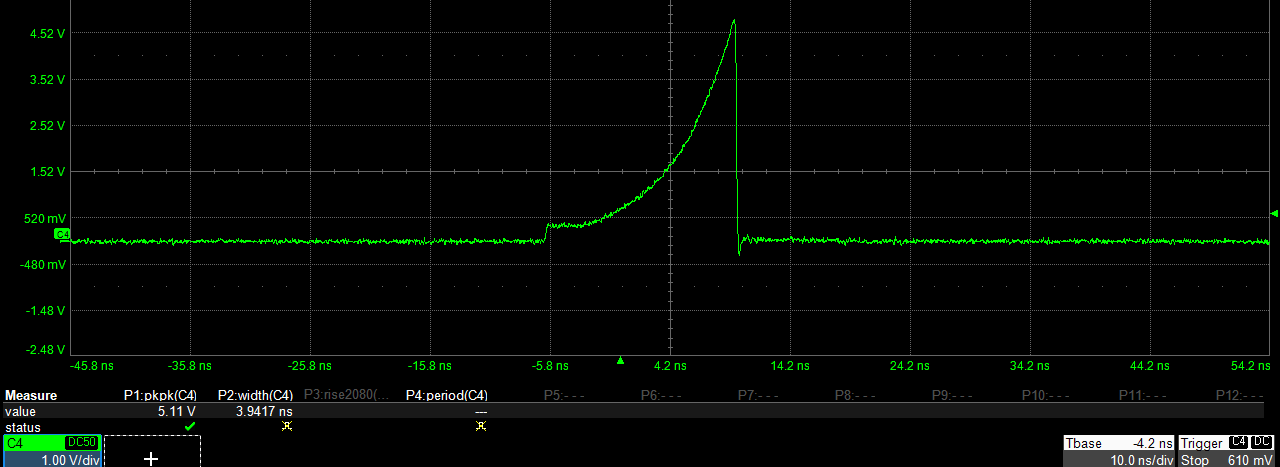
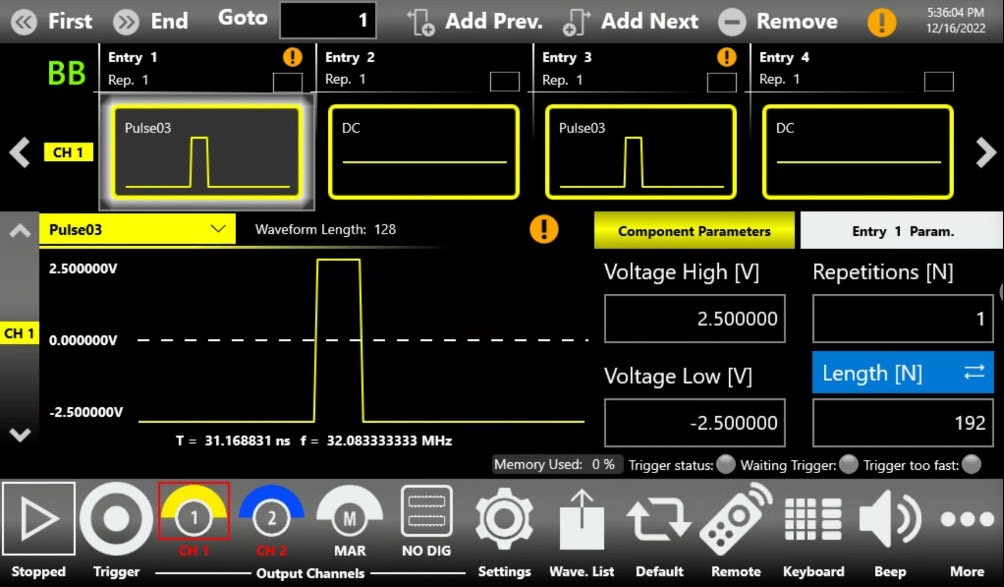
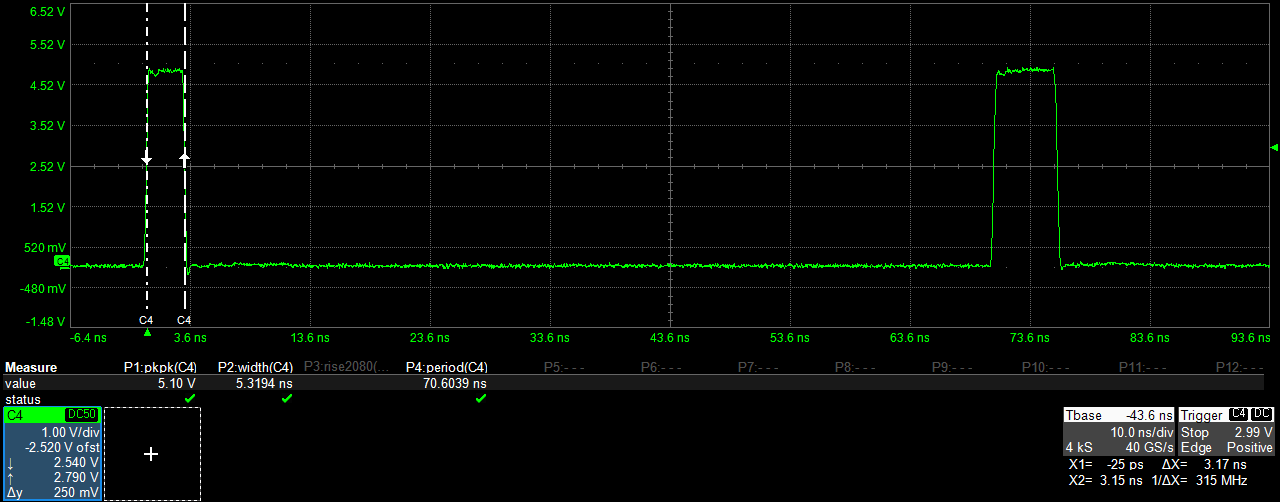
Pulsed laser diodes need to be driven with high-amplitude, very short, narrow pulses. The Model 685 can create rectangular, Gaussian, and exponential pulse shapes with amplitude up to 5 Vpp, 110 ps rise and fall time, and a minimum pulse width of 230 ps. The screenshots below show how easily different pulses are created in the True-Arb UI and then reproduced on an oscilloscope.
Conclusion
The Model 685 gives you an extremely flexible, high-performance way to generate the full range of pulses and signals needed to meet today's challenges in quantum optics, photonics, and laser applications. New industry requirements and a steady flow of new products keep raising the demand for cutting-edge test instrumentation, both to satisfy the most demanding applications and to keep up with the latest ideas coming out of the lab.
Talk to an application engineer
Berkeley Nucleonics can help you match a Model 685 configuration to your optics, photonics, quantum, or pulsed-laser-diode setup. Call 800-234-7858 or email info@berkeleynucleonics.com.
For a quick question, chat with an engineer at berkeleynucleonics.com.