Blog Post · June 5, 2023

In today's rapidly advancing technological landscape, the field of radio frequency (RF) electronics has become increasingly vital across numerous industries. Whether you are working with wireless communication systems, satellite technologies, or RF-based research and development, accurate power measurements are essential. In this technical blog post, we will explore the significance of RF power sensors in the lab and highlight why they are indispensable tools for any RF engineer or researcher.
1. Precise Power Measurement
RF power sensors play a fundamental role in accurately measuring the power levels of RF signals. They provide a means to quantify the power output of RF devices and circuits, enabling engineers to optimize system performance, troubleshoot issues, and ensure compliance with industry standards. By measuring power levels with high accuracy and resolution, RF power sensors allow researchers to make informed decisions and validate the effectiveness of their designs.
2. Comprehensive Frequency Coverage
The frequency range over which RF power sensors can operate is an important aspect of their utility. Different applications and projects may require measurements across a broad frequency spectrum. Fortunately, modern RF power sensors are designed to cover a wide range of frequencies, from a few kilohertz to several gigahertz or even higher. This versatility ensures that engineers can work with various RF technologies and devices without the need for multiple sensors, thereby simplifying their lab setup and reducing costs.
3. Real-Time Monitoring and Analysis
In many RF applications, continuous monitoring of power levels is crucial for maintaining system integrity and stability. RF power sensors offer real-time power measurements, allowing engineers to monitor RF signals during experimental setups, prototype testing, or performance evaluations. This capability is particularly valuable when dealing with dynamic or transient signals, where power fluctuations can significantly impact system behavior. With accurate and instantaneous power readings, engineers can detect anomalies, identify potential issues, and make the necessary adjustments in real-time.
4. Integration with Test Equipment
RF power sensors can seamlessly integrate with a variety of test equipment, including spectrum analyzers, signal generators, network analyzers, and oscilloscopes. This integration enables the comprehensive characterization of RF systems by combining power measurements with other critical measurements such as frequency, modulation, and distortion. By leveraging the synergy between different test instruments, engineers can obtain a comprehensive understanding of their RF devices' performance, behavior, and limitations.
5. Calibration and Traceability
To maintain the accuracy of power measurements over time, calibration is essential. RF power sensors can be calibrated against traceable standards to ensure their accuracy and consistency. Calibration establishes a known reference for power measurements, allowing engineers to trust the readings obtained from their sensors. Periodic calibration also guarantees compliance with quality control standards and helps maintain the integrity of the laboratory's measurement capabilities.
Conclusion
RF power sensors are indispensable tools for any lab working with RF electronics. Their ability to provide accurate power measurements across a wide frequency range, integrate with other test equipment, and offer real-time monitoring capabilities makes them essential for RF research, development, and troubleshooting. By employing RF power sensors in the lab, engineers and researchers can improve the performance of RF systems, ensure compliance with standards, and accelerate the pace of innovation in the ever-evolving field of RF technology.
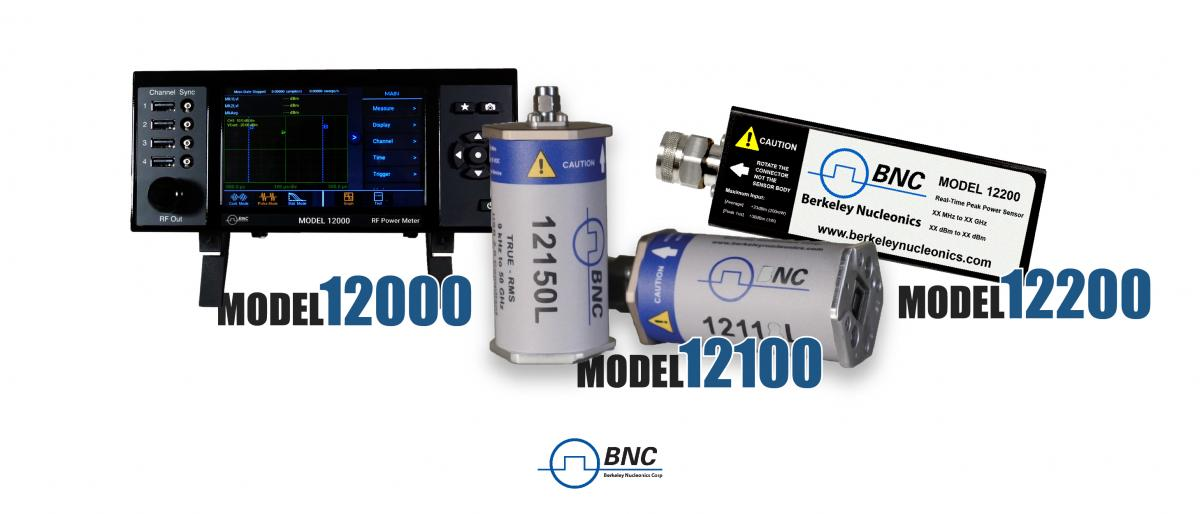
For more information and to explore the range of Berkeley Nucleonics (BNC) RF power sensors, contact info@berkeleynucleonics.com or call 800-234-7858.